In this guide
Moving from an HDB flat to a private condominium is the biggest financial decision most Singapore households make. Done well, it is a comfortable lifestyle upgrade and a sound long-term asset. Done in a rush, it can leave you stretched, or paying tens of thousands in avoidable stamp duty. This guide walks through the whole journey — money, timing, and the exact steps — using rules current in 2026.
Why HDB owners upgrade to a condo
After the Minimum Occupation Period (MOP) of five years, many flat owners find themselves with a valuable, fully-eligible-to-sell asset and a growing family. The pull toward private property usually comes down to a mix of lifestyle (facilities, a fresh 99-year or freehold tenure, a location closer to work or preferred schools) and asset strategy (moving capital into a property with a larger addressable buyer pool). None of these is a reason to rush — but all of them are reasons it is worth planning properly.
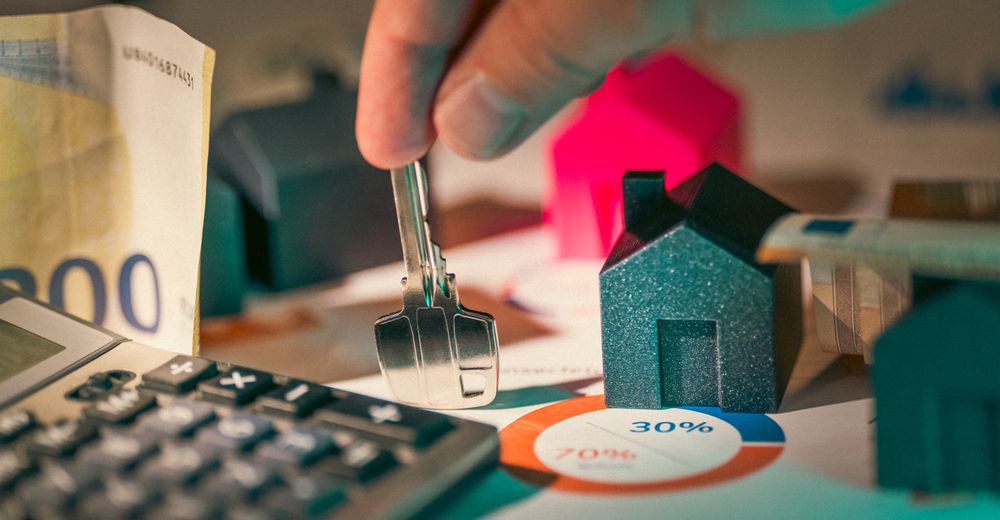
Are you financially ready?
Three gates decide how much you can buy, and you must clear all three:
TDSR (55%) caps your total monthly debt at 55% of gross income. LTV (75%) caps a first bank loan at 75% of the property value. Cash & CPF must cover the remaining 25% downpayment plus stamp duties.
Banks assess your loan not at today's promotional interest rate but at a stress-test floor of 4.00% p.a. That is deliberately conservative — it is how the regulator makes sure you could still cope if rates rose. Our affordability calculator applies exactly this logic.
The numbers: a worked example
Say you sell your 4-room flat for S$680,000. You have an outstanding HDB loan of S$180,000 and must refund S$260,000 of CPF (principal + accrued interest) back to your CPF account. Here is the waterfall:
That S$260,000 of refunded CPF is not lost — it lands back in your CPF Ordinary Account and can be used again for the condo. So for the next purchase you have roughly S$240,000 cash + S$260,000 CPF = S$500,000 of buying power for the downpayment and duties, before touching further savings. Run your own figures in the Upgrade Planner.
Sell-first vs buy-first
This single choice drives your stress levels, your costs, and whether you owe ABSD.
- Sell first, then buy: the condo becomes your only property, so there is no ABSD. You know exactly how much cash you have. The trade-off is you may need interim housing between selling and moving in.
- Buy first, then sell: you avoid moving twice, but on completion you own two properties — triggering 20% ABSD (for a Singapore Citizen's second home). You can claim it back under remission if you sell the flat within the timeline, but you must fund it upfront and you carry two mortgages briefly.
We go deep on this in Sell First or Buy First?
The ABSD trap (and remission)
Additional Buyer's Stamp Duty is the number that surprises upgraders most. As a Singapore Citizen, your first property has 0% ABSD — but if you still legally own your HDB when the condo completes, the condo is your second property and attracts 20%. On a S$1.6m condo that is S$320,000. Married couples buying under both names may qualify for ABSD remission if they sell the flat within six months of completion (for a completed property). The mechanics — and the traps — are covered in ABSD for Upgraders.
The 10-step upgrade roadmap
- Confirm your flat has cleared MOP.
- Get an In-Principle Approval (IPA) from a bank so you know your real loan ceiling.
- Value your flat (agent valuation + recent transacted prices).
- Do the full-cash-flow sums (use the Upgrade Planner).
- Decide sell-first or buy-first.
- Shortlist projects; compare new launch vs resale.
- Secure financing and lock your loan package.
- Exercise the Option to Purchase; pay BSD (and ABSD if applicable).
- Coordinate completion dates and, if needed, a bridging loan.
- Handover, renovation, move.
Five mistakes upgraders make
- Budgeting at today's interest rate instead of the 4% stress rate — then getting a smaller loan than expected.
- Forgetting the CPF refund reduces cash-in-hand from the sale.
- Underestimating stamp duty — BSD alone on a S$1.6m home is about S$49,600.
- Buying first without a plan to fund ABSD upfront.
- Ignoring the CPF accrued-interest "clawback" on the eventual condo sale.
Next: size your budget precisely in How Much Condo Can You Afford?